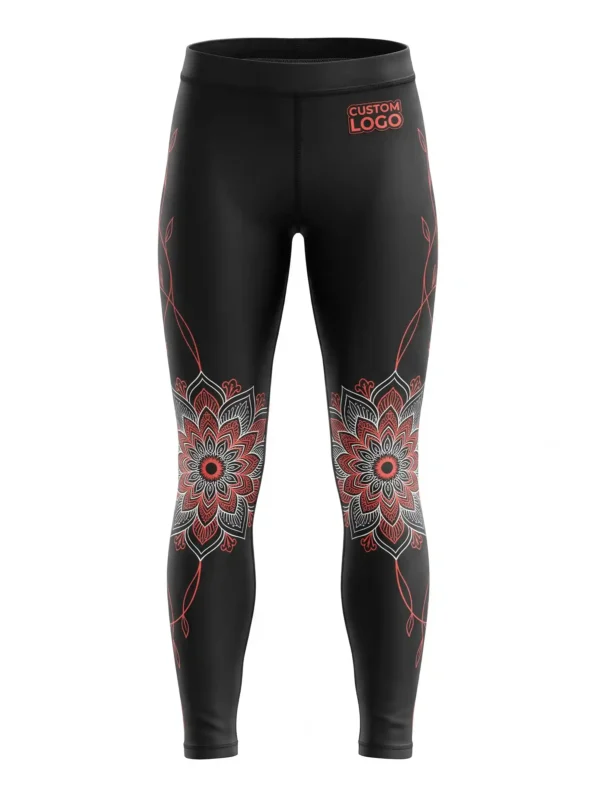
Custom fight wear made in our Sialkot factory for BJJ academies, MMA gyms and fightwear labels: rash guards, fight shorts, spats, sports bras, tees, hoodies and tracksuits under your label, from 10 pieces per design, with a sample before every bulk run.
DESCRIPTION
Velzyn Wear is a fightwear manufacturer in Sialkot, Pakistan, cutting and sewing custom fight wear for BJJ academies, MMA gyms, fight teams and new fightwear labels. Rash guards, shorts, spats, sports bras and the tees and hoodies people wear home all come from one factory floor, carry your label, and start at ten pieces a design.
Most gyms only notice they sell clothing when the cardboard box of mismatched shirts appears behind the front desk. One supplier did the rash guards, a print shop did the hoodies, and the logo is three different blues. This page is about building the range the other way round: planned, matched and reordered from one file.
The fightwear range we make
Ten categories, grouped by where they get worn, each with its own detailed page:
No-gi and competition
- ✓Rash guards
Ranked belt-color shirts, graphic tops, under-gi shirts - ✓MMA and grappling shorts
Cage and mat cuts with the closure you pick - ✓Spats
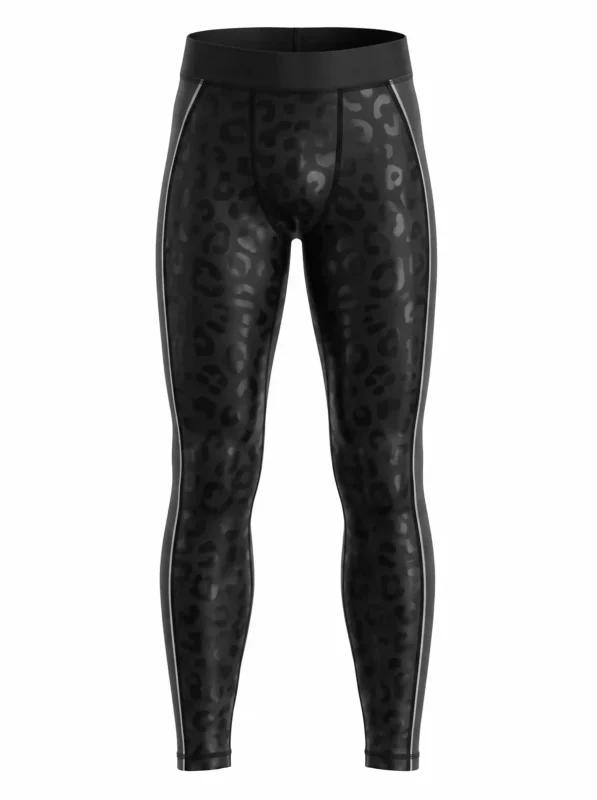
Full-length compression tights to match the top - ✓Vale tudo shorts
Short compression bottoms for grapplers
Training floor
- ✓2-in-1 shorts
An outer short with a compression liner sewn in - ✓Training shorts
Everyday class and conditioning shorts - ✓Sports bras
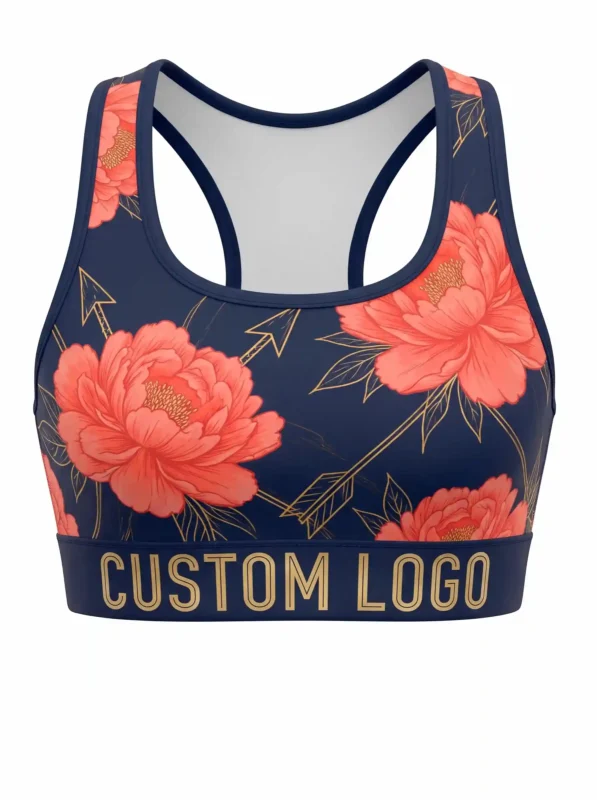
For women’s classes and fight teams
Outside the gym
- ✓T-shirts
Club tees, walkout shirts, retail graphics - ✓Hoodies
Zip and pullover, fleece or performance polyester - ✓Tracksuits
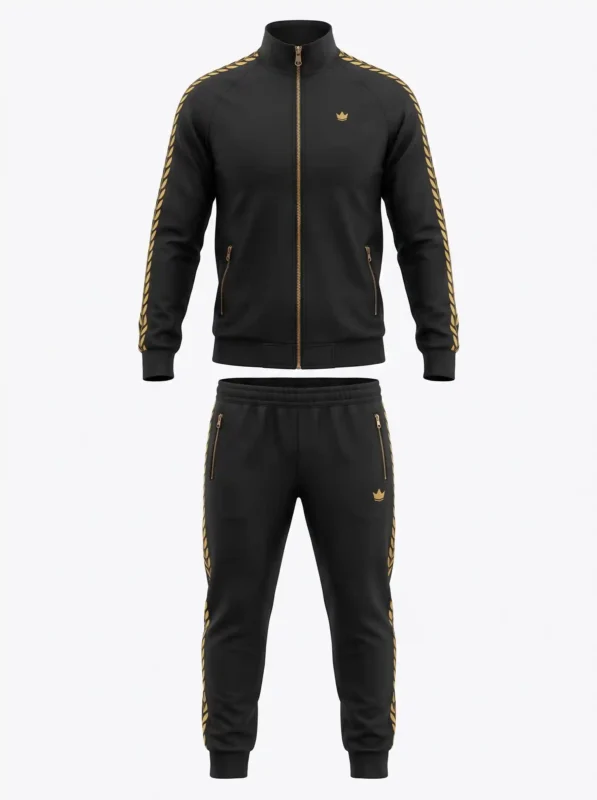
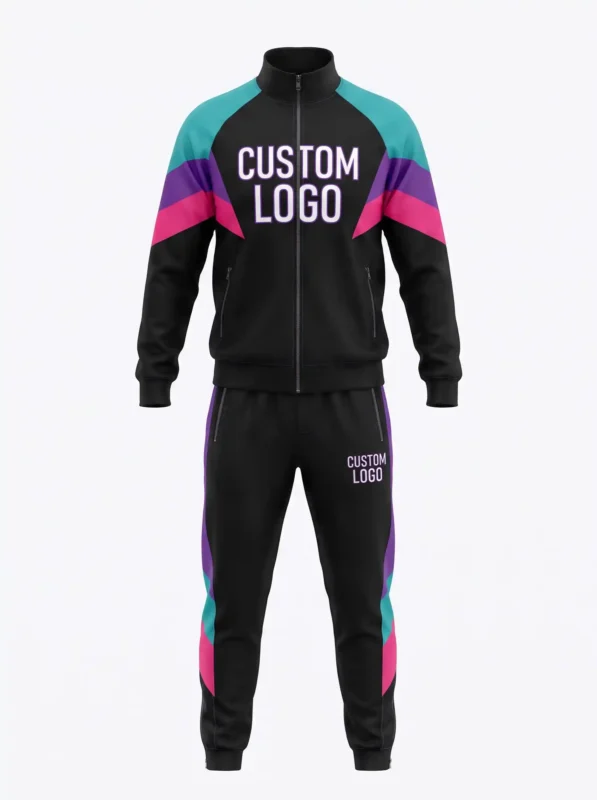
Jacket and pants for teams on the road
Customizing a fightwear range
A single garment is easy to customize. A range is harder, because the same logo has to survive four fabrics and three decoration methods. These are the choices you make once and we repeat everywhere:
| Detail | What you can choose | How it carries across the range |
|---|---|---|
| Brand colors | Pantone codes, or a garment posted to us as the reference | One color file feeds every fabric; strike-offs prove each one |
| Logos and graphics | Sublimated edge to edge, embroidered, or sewn on as a patch | The method changes with the fabric, the artwork does not |
| Names and ranks | Athlete names, belt colors, team or event titles | Names can differ piece by piece inside one design |
| Waistbands and hems | Wordmarks on shorts bands, printed hem details | Set on the sample, then repeated in bulk |
| Your label | Woven neck or waistband label, hang tag, printed polybag | Our name stays off every piece |
Screen printing is used on the cotton and tri-blend tees only. Everything polyester is sublimated, which means the ink becomes part of the fiber and cannot peel off in a scramble.
Fabric, garment by garment
| Garment | Fabric | Why |
|---|---|---|
| Rash guards | Polyester-spandex for full print; nylon-spandex for solid colors | Standard weight 180–240 GSM, so the shirt grips without strangling |
| Spats and vale tudo shorts | Polyester-spandex or nylon-spandex | Needs full recovery after deep knee bends |
| MMA and grappling shorts | Polyester legs with poly-spandex stretch panels | Light, quick-drying, and printable across every panel |
| Sports bras and tracksuits | Agreed per design on the quote | Built to your brief rather than a catalog spec |
| T-shirts | Cotton or tri-blend for screen print; polyester for sublimation | Soft retail feel, or a training tee that dries fast |
| Hoodies | Fleece or performance polyester | Warm for the drive home, or light enough to warm up in |
The rash guard range is the only place we quote a fabric weight in public. For everything else, the exact cloth and its weight go on the quote and onto a spec card attached to the sample, and bulk is measured against that card.
Cuts for men, women, girls and youth
| Cut | Typical buyer | What changes in the pattern |
|---|---|---|
| Men’s | Adult classes, fight teams, most retail lines | Broader shoulder and chest; tall lengths for big athletes |
| Women’s | Women’s programs and fight teams, women-led labels | Drafted separately: bust room, waist shaping, shorter rise on shorts |
| Girls’ | Kids’ BJJ and junior grappling | A girls’ block, not the women’s pattern shrunk |
| Youth | After-school programs and junior teams | Own grading so sleeves, splits and gussets stay in scale |
Big heavyweights can get a longer body on their sizes alone. That matters most on rash guards, where a shirt that stops short of the shorts both fails the length rule and rides up mid-roll.
What to make first, and how to keep it matching
Nobody needs all ten categories on day one. The gyms and labels that do well add them in roughly this order, and each stage pays for the next:
- Stage 1, the core pair. A rash guard and fight shorts in one design. It is the set students compete in, the set customers buy together, and two price points from a single piece of artwork.
- Stage 2, the compression layer. Spats and vale tudo shorts for the grapplers, then 2-in-1 shorts for anyone who wants the liner built in. Same art, adapted to longer panels.
- Stage 3, the class floor. Training shorts for conditioning sessions and sports bras for women’s classes. These sell steadily rather than in drops.
- Stage 4, the street. Tees, hoodies and tracksuits carry the logo to people who have never stepped on a mat. For many gyms this is where most of the margin sits.
Plenty of gyms start with tees instead, which is fine, as long as every later piece is built from the same color file.
Why one brand red turns into three reds
Here is the problem no product page mentions. A logo sublimated into polyester, the same logo embroidered on fleece and the same logo screen printed on cotton are three separate color processes. Each one shifts a shade on its own. Nylon-spandex adds a fourth, because it is dyed rather than printed. On the shop shelf, the “one” brand color has drifted.
We handle it with one color standard per brand. Every shade is logged once, then proven separately on each fabric with a strike-off or thread card before the samples are sewn. You compare them together, in daylight, and approve them as a set. Reorders are matched to that approved set, not to whichever shirt happens to be in the office.
Five jobs fight wear does for a gym
Every academy selling kit runs at least one of these small businesses, often three. Which one you are ordering for decides the first pieces:
| The job | What it usually means | First pieces to order | What goes wrong without a plan |
|---|---|---|---|
| Academy kit | The shirt and shorts students buy when they sign up | Rash guard and shorts in the house design | Sizes run out and the reorder looks different |
| Competition team | Matching kit for tournament days, often in rank colors | Ranked rash guards, competition shorts, a team hoodie | A shirt that fails the uniform check on the day |
| Team store or merch | Clothing sold at the front desk or online | Tees and hoodies first, then shorts | Too many designs, half of them unsold |
| Fight-night gear | One card, one fighter or one corner, with sponsors | Fight shorts, women’s fight tops, walkout tees | A date that moves no matter what the factory does |
| Brand launch | A new label testing which designs sell | Two or three designs across the core pieces | Too much money in one design before anyone has bought it |
Dealers supplying several gyms can treat each gym as its own design file.
How an order moves around the cage
Picture the order as the octagon itself. There are eight sides, each a stage of work, and the order travels around them in number order with “the order” in the middle. The tag at the foot of each side says whose move it is:
read the sides 1 to 8
The Order
About five weeks from first email to dispatch, then shipping
Side 1
Range plan
Which garments, how many designs, and the date the kit has to be in the building.
You
day 1
Side 2
Quote
Fabric per garment, decoration method, label and packing, with the price at each quantity break.
Us
within days
Side 3
Flat artwork
Every garment drawn as cut, with your logo placed and the colors named from one shared file.
Us
week 1
Side 4
Strike-off and sizing set
Printed swatches for each fabric, and try-on sizes if the head count is unsure.
Both
when needed
The Order
About five weeks from first email to dispatch, then shipping
Side 5
Samples
One finished piece per design, sewn from the cloth bulk will use, ready 7–10 days after art sign-off.
Us
weeks 2–3
Side 6
Sign-off and deposit
Train in the samples, approve in writing, and pay half to book the run.
You
week 3
Side 7
Bulk run
Printed, cut, sewn and checked against the approved samples, one to two weeks in all.
Us
weeks 3–5
Side 8
Pack and dispatch
Counted by size, labeled and bagged as yours; balance clears and cartons leave Sialkot.
Both
about week 5
Sides are worked in number order and none is skipped. Your patterns and color file stay with us afterwards, so a later top-up starts at side 7.
Ordering in five moves
List the pieces
Garments, designs, deadline
Approve the art
Every garment drawn flat
Train in samples
One per design
Book the run
Sign off, pay half
Stock the shelf
Packed by size, your label
Sizing a gym or a team
Collect chest, waist, hip and height for each athlete, plus torso length for anyone very tall, then compare them with our size reference charts. Compression pieces are meant to be snug, so athletes between two sizes usually go up for length on tops and down for grip on spats. Before a first academy order, a sizing set in the common sizes is cheap insurance.
Stock fightwear or custom?
| Blank or catalog fightwear | Custom fightwear from our floor | |
|---|---|---|
| Look | Another brand’s cut with your logo added | Your artwork, colors and label on every piece |
| Speed | Quick, provided nothing in your size run is sold out | About five weeks to dispatch, then shipping |
| Margin | Thin, because someone else’s brand is paid first | The resale price is yours to set |
| Reorders | The model may be dropped next season | Patterns and color standard kept for repeats |
| Best for | Ten shirts for an event next weekend | A gym or label planning to sell for years |
Caring for fightwear
- Wash every piece after every session, even if it looks clean.
- Close any Velcro, turn everything inside out and use a cold cycle.
- Skip bleach and fabric softener on stretch fabrics.
- Line dry compression pieces; save the dryer, on low, for cotton tees and fleece.
Why gyms and labels choose Velzyn
One factory, the whole range
- ✓Rash guards to hoodies under one roof
- ✓One color file for every fabric
- ✓One contact from quote to carton
Small first runs
- ✓Ten pieces per design, sizes mixed
- ✓Price breaks at 50, 100 and 250
- ✓One to three piece top-ups once on file
Proof before payment
- ✓Strike-offs for every brand color
- ✓Sizing samples when the split is a guess
- ✓A finished sample per design before bulk
Several fightwear makers start at 30 or 50 pieces per design. That suits an established label but asks a new one to bet its launch on a single artwork. At ten pieces you can put three designs in front of real customers, see which one sells out, and reorder the winner in volume.
Sialkot has been a sports-goods town for more than a century, and plenty of fightwear and glove makers still work within a short drive of our factory. Mills, trims and sublimation paper are close by, so sampling stays quick.
Competition rules for fightwear, briefly
The points below come from the IBJJF uniform page and the ABC Unified Rules of MMA (August 2025 edition). The rash guard and shorts pages show how each one changes the garment:
| Rulebook | Garment | Point that changes the build |
|---|---|---|
| IBJJF no-gi | Shirt | Elastic and long enough to reach the shorts waistband; black, white or a mix carrying a minimum 10% rank color, or the rank color all over |
| IBJJF no-gi | Shorts | Mid-thigh to knee; black, white or belt color; no buttons, zippers, metal, or open pockets |
| IBJJF no-gi | Spats | Men wear them only under shorts; women may wear spats alone |
| ABC Unified Rules of MMA | Shorts | Hem not below the knee; no exposed Velcro, pockets or zippers |
| ABC Unified Rules of MMA | Tops | Women: fitted rash guard sleeved above the elbow or sleeveless, and/or a sports bra; men fight bare-chested |
Event officials decide on the day whether a piece passes. We build competition kit to the published wording and flag anything in your artwork that would break it.
Test a sample set together
Order the samples as a set, then judge them as a set. Put one athlete in the rash guard and shorts and have them roll three rounds, then check that the shirt still overlaps the waistband and nothing has rubbed raw at the seams. Wash the whole set together three times, cold, with your old gym tee as a control. After the last wash, lay every piece on a table by a window and hold your brand color swatch against each logo. If one shade looks off, tell us which piece and we adjust that process before bulk.
What sets the price of fightwear
- Garment and fabric: a sublimated rash guard, a nylon-spandex spat and a fleece hoodie each cost differently to make.
- Decoration: a sublimated design costs the same in two colors or twenty; embroidery, patches and each screen print color are priced on their own.
- Construction: closures, gussets, liners and extra panels add sewing time.
- Branding: woven labels, hang tags and printed bags.
- Volume: each design gets cheaper per piece once it reaches 50, then 100, then 250.
Placing a fightwear order
Each design opens at ten pieces, divided however your sizes and names require. Samples are on the table seven to ten days after you approve the artwork, and bulk production starts only once you approve the samples. From there the run takes one to two weeks. We bill by bank transfer in two parts: 50% to book the production slot, the remainder once everything is packed and before it ships. A sample bought on its own can go by Western Union or MoneyGram instead. Labels and distributors stocking several categories should look at our wholesale fight wear terms.
Tell us the pieces, the number of designs and your deadline, and we will price the range.
Striking gyms that also need boxing trunks, Muay Thai shorts or ring robes will find them on our boxing and Muay Thai apparel page, built to the same process.
Custom fight wear: what gyms and brands ask
What should a new fightwear brand launch with?
A rash guard and a pair of shorts sharing one design. They photograph well together, customers buy them as a pair, and one artwork gives you two products to price.
Will our logo color match on rash guards, tees and hoodies?
That is what the shared color standard is for. Each fabric gets its own strike-off or thread match, and you approve the whole set side by side before anything goes into bulk.
Can a gym run a preorder and send us the exact sizes?
Yes, and it is the best way to start. Close the preorder, send the size list, and the ten-piece minimum per design can be spread across every size on it.
Is your fightwear legal for IBJJF and MMA events?
We build competition pieces to the published IBJJF no-gi and ABC MMA rules and tell you if a design would break them. Officials at each event have the final word, so no maker can guarantee a pass.
Will our customers see your name anywhere?
No. Pieces carry your woven label and hang tag and ship in your bag. We keep the patterns and files only so the next run matches.
Do you make women’s and kids’ fightwear?
Yes. Women’s and girls’ pieces are drafted on their own patterns, and youth sizes can be added to a design that also runs in adult sizes.
How long does a first order take, start to finish?
Plan on roughly five weeks between the first message and the cartons leaving Sialkot, with shipping on top. A tournament or fight date closer than that is worth mentioning in the first message.
Do you make Muay Thai and boxing shorts too?
Yes, but they are cut differently from MMA shorts, with a higher waistband and a shorter, wider leg, so they sit in our boxing and Muay Thai range rather than here.